
Quick answer
A septic emergency in Ocala means sewage backing up into your tub, shower, or toilets; sewage surfacing in the yard; or a septic alarm sounding. Stop all household water use immediately. An alarm typically leaves a 24-48 hour buffer before backup, but only if usage drops. We take emergency calls 24/7 throughout Marion County.
What actually counts as a septic emergency
Not every gurgle is a crisis. Raw sewage inside the house is. So is sewage pooling on the lawn, because in Marion County's karst terrain it doesn't just sit there. It can move toward the aquifer that roughly 90,000 septic homes here drink from. An alarm is urgent but survivable, if you act.
Here's the honest triage, the same table we use on the phone. Red means now:
| Problem | Urgency | Why |
|---|---|---|
| Sewage backing up into tub/shower/toilets | Emergency. Stop all water use, call now | Raw sewage in living space; health hazard |
| Septic alarm sounding | Same day. Cut water use immediately | ~24-48h buffer before backup, only if usage drops |
| Sewage surfacing in yard | 24-48 hours | Reportable failure; contaminates the yard and, in karst terrain, the aquifer. See our sewage smell in yard page for the four usual causes. |
| Gurgling drains / slow flushing house-wide | Within days | Early warning of a full tank or struggling drain field |
| Wet spot or extra-green stripe over drain field | Within 1-2 weeks | Field failing; far cheaper caught early |
| Odor outdoors after rain only | Monitor; inspect if recurring | Often seasonal saturation, but recurring means a marginal field |
| Due for routine pumping (3-5 yrs) | Schedule at convenience | State maintenance guidance |
The kitchen-table promise
Your neighbor's story, the $3,000 quote that became $11,000, follows one script: diagnose verbally, dig, "find more problems." Here is how you make that script impossible, with us or with anybody.

- A written diagnosis. Not a verbal "it's bad." What failed, where, and why, on paper.
- Photos of your own open tank. If anyone says the tank is shot but won't show you, that is a red flag. Homeowners report a second company pumping the "shot" tank and it running fine for years.
- A price that survives the drive. A phone quote that doubles once the tank is open is the classic bait-and-switch. Ranges can shift when digging reveals surprises, but a doubling should come with photos and a written explanation.
- No pressure to sign today. A real failure is documented and stays failed tomorrow.
One more check you should run on anybody, including us: Florida requires septic contractors to be registered with the state. Ask for the registration when you get a quote. A legitimate outfit expects the question.
The 24-48 hour alarm window, and how people lose it
When the float switch trips, the pump chamber is about 6-8 inches above its normal level. That reserve is your buffer. Households that keep doing laundry burn through it in hours; households that go into low-water mode usually make it a day or two comfortably. The alarm's common causes, a dead pump, a stuck float, storm-water infiltration, get diagnosed on site. If it turns out you just need a pump-out, that's what we'll tell you. See our septic pumping page for what that costs; nobody should pay drain field money for a float switch. For the full rundown on what a sounding alarm means and what to do first, see our septic alarm page.
June through September: Ocala's backup season
Marion County's rainy season runs roughly June to September, and that's when our emergency phone rings most, from the Shores out to Dunnellon. Summer thunderstorms saturate the sandy soil around drain fields, absorption drops, and marginal systems tip over. Backups, soggy yards, alarms after every storm. If your system only struggles during the rains and recovers when the ground dries, the field is marginal: undersized, aging, or sitting too close to the seasonal high water table that Marion County's shallow limestone drives up in wet season. That's a drain field repair conversation, not an annual emergency ritual. If symptoms persist in dry weather, start with a tank and line inspection first. It's the cheaper rule-out.
Hurricane protocol (per UF/IFAS)
University of Florida IFAS publishes specific storm guidance for septic owners, and we follow it to the letter:
- Before the storm: cut household water use to a trickle. Pump the tank only if you were already due, and never once flooding starts.
- If you have a pump or ATU: waterproof or de-energize the pump electrical before floodwater reaches it.
- During flooding: stay off the plumbing while the drain field is underwater. It has nowhere to send anything.
- Never pump a flooded tank. An emptied tank in saturated ground becomes a buoy. It can float clean out of the ground, tearing the pipes off both ends. Anyone offering to pump your tank mid-flood is selling you a second disaster.
Power outage with a pump or aerobic system
No power, no pump. Lift stations and ATU aerators stop the moment the lines drop, and the chamber's reserve is all you've got. Use water sparingly, a few flushes, not a laundry cycle, until power returns, or put the pump on a generator. ATU owners: your aerator being down for a day or two isn't a catastrophe, but treatment quality drops, so ease back into normal use. Expect one alarm cycle as the pump catches up afterward. If it keeps alarming a day later, that's a service call.
What you get from an emergency visit
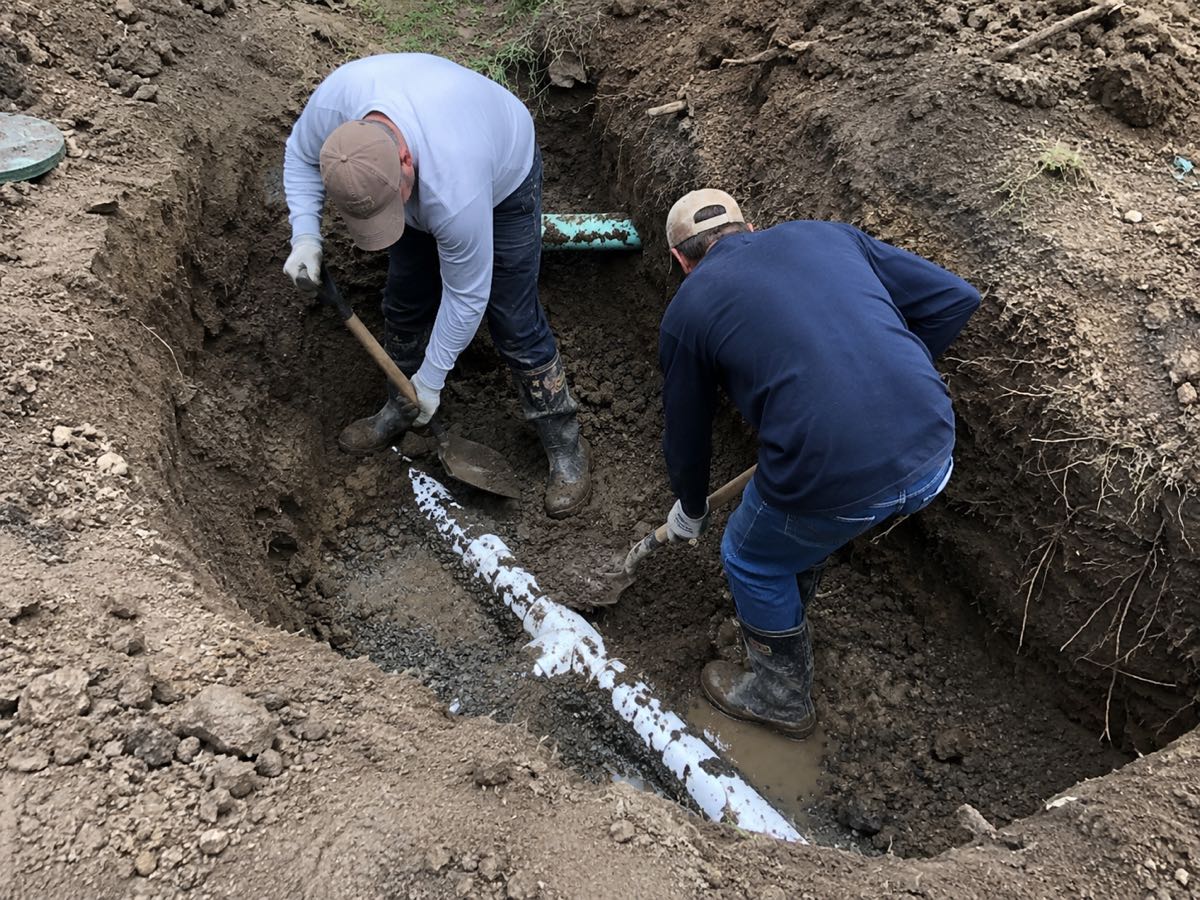
A proper diagnosis, and a typical-range price before work starts. No phone quote that doubles once the lid comes off. If the fix is a $300-range pump-out and not a $10,000 drain field, that's what we'll tell you. See our full septic cost breakdown for typical Marion County ranges (2025) on every job type. Marion County has enough septic horror stories already.
Frequently asked
What does it mean when my septic alarm goes off?
Why is sewage backing up into my house?
A hurricane is coming. What should I do about my septic system?
The power is out and I have a pump or aerobic system. Can I flush?
Emergency coverage across Ocala, Silver Springs Shores, Marion Oaks, Belleview, Dunnellon, Summerfield, Anthony, Ocklawaha, Fort McCoy, Citra, Reddick, Rainbow Lakes Estates, and The Villages (Marion County side).